
Shop by Brand



What is laminitis?
Laminitis is inflammation and damage involving the sensitive laminae inside the hoof—the tissues that help suspend and support the coffin bone within the hoof capsule. When those structures are compromised, the condition can become extremely painful and, in severe cases, lead to displacement of the coffin bone. If laminitis is suspected, contact your veterinarian promptly.
What causes laminitis?
Laminitis can develop through several different pathways. Major categories include systemic inflammatory illness, metabolic disorders such as insulin dysregulation or PPID, excessive weight-bearing on one limb because the opposite limb is injured, and repetitive trauma to the hoof. Identifying the underlying cause is an important part of veterinary management.
What causes laminitis?
Major pathways include systemic inflammation after illness,equine metabolic syndrome (EMS)/insulin resistance, and support-limb laminitis after injury.
What early signs should I watch for?
Common red flags include abounding digital pulse,sustained hoof warmth, increased weight shifting, and a shortened stride early on. Involve your veterinarian early when risk is suspected.
How does cooling help?
Cryotherapy helps by reducing inflammation and lowering the tissue’s glucose and oxygen requirements, creating a protective, “hibernation-like” effect during high-risk periods.
When does cooling matter most?
There’s often a window before clinical signs in high-risk horses. Starting early and maintaining cooling through the high-risk period (often 1–3 days) is emphasized.
Why is cooling important?
When is cooling most important?
Is there a target temperature?
Major pathways include systemic inflammation after illness,equine metabolic syndrome (EMS)/insulin resistance, and support-limb laminitis after injury.
What early signs should I watch for?
Common red flags include abounding digital pulse,sustained hoof warmth, increased weight shifting, and a shortened stride early on. Involve your veterinarian early when risk is suspected.
How does cooling help?
Cryotherapy helps by reducing inflammation and lowering the tissue’s glucose and oxygen requirements, creating a protective, “hibernation-like” effect during high-risk periods.
When does cooling matter most?
There’s often a window before clinical signs in high-risk horses. Starting early and maintaining cooling through the high-risk period (often 1–3 days) is emphasized.
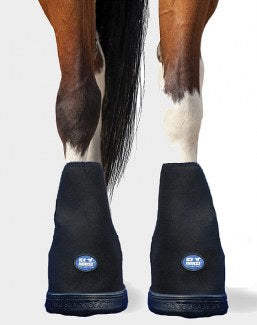
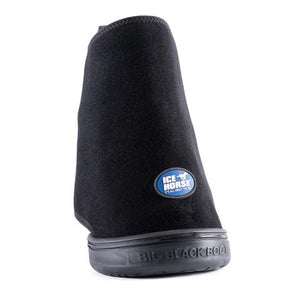
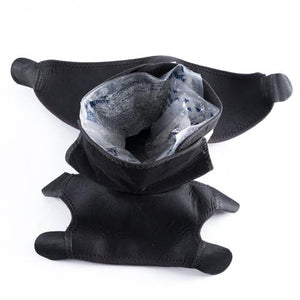
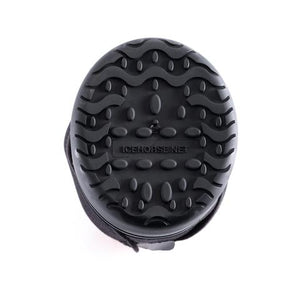
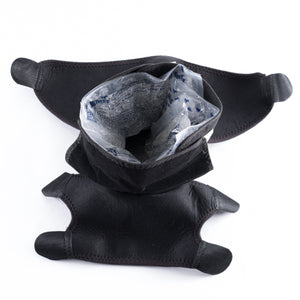
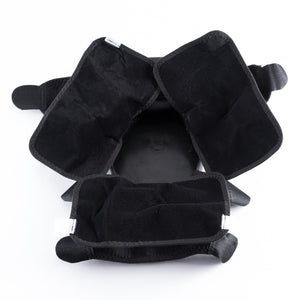
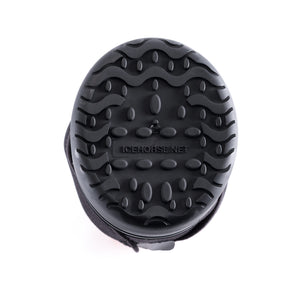
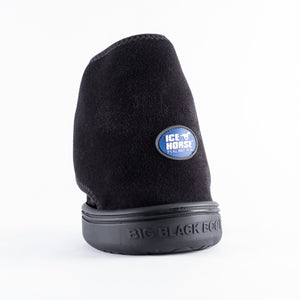
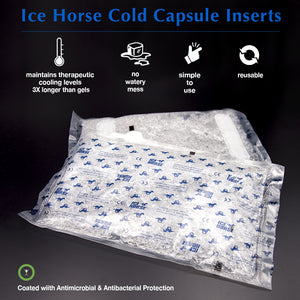


Laminitis specialist Dr. James Orsini, Founding Director of the Laminitis Institute and Associate Professor at the University of Pennsylvania's New Bolton Center explains the symptoms, ways to treatment of laminitis and how horse owner's can help prevent their horse from an episode of laminitis.


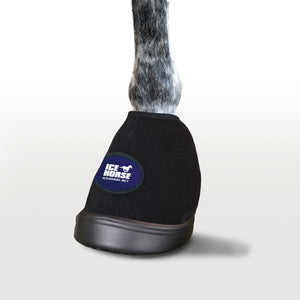
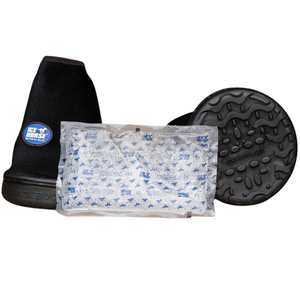
Something as serious as Laminitis needs the best treatment there is. A new study from the Department of Clinical Studies, New Bolton Center, School of Veterinary Medicine, University of Pennsylvania confirms IceHorse's dry cryotherapy is a much more effective cold therapy treatment than ice water buckets, gels or compression-based cold therapies.


